Some people thrive on energy, speed, or people connections. Others thrive on precision. In the DISC (Dominance, Influence, Steadiness and Conscientiousness) model, those with a high Conscientiousness (C) score are the detail-checkers, the process-builders, and the quality-keepers. They are driven by accuracy, structure, and standards, often serving as the team’s guardrail for consistency and excellence. High “C” individuals are easy to recognize: they ask questions, double-check information, and prefer to work within a clear system.
These qualities make “C”s invaluable in roles where accuracy matters. Their ability to spot flaws, follow rules, and maintain high standards often prevents costly mistakes. Yet like every style, the strengths of a “C” can present challenges. Overanalysis can slow progress, perfectionism can delay results, and a focus on rules can limit creativity. The goal is to appreciate the clarity that “C”s bring while helping them stay flexible, so their attention to detail supports outcomes rather than stalls them.
What Does “C” Measure?
The Conscientiousness factor measures how someone responds to procedures and compliance.
- If your highest score is “C,” you are a Compliant Communicator.
- If your lowest score is “C,” you are a Pioneering Communicator.
This factor reflects whether someone prefers to follow established rules or prefers to take risks and create new paths.
Strengths of “C”
High “C” individuals contribute structure and accuracy that help teams maintain quality. Their strengths often include:
- Analytical: Skilled at breaking down complex problems.
- Detail-Oriented: Focused on precision and thoroughness.
- Quality-Driven: Committed to doing things correctly the first time.
- Process-Oriented: Comfortable creating and following systems.
These qualities make “C”s essential for ensuring standards are upheld and outcomes are consistent.
Areas to Balance
Without awareness, the “C” style can become overly rigid or cautious. Common challenges include:
- Overanalysis: Risk of spending too much time gathering data before acting.
- Perfectionism: Struggles to finish work until it feels flawless.
- Critical Eye: May come across as overly critical of others’ work.
- Risk Aversion: Can hesitate to innovate or take bold steps.
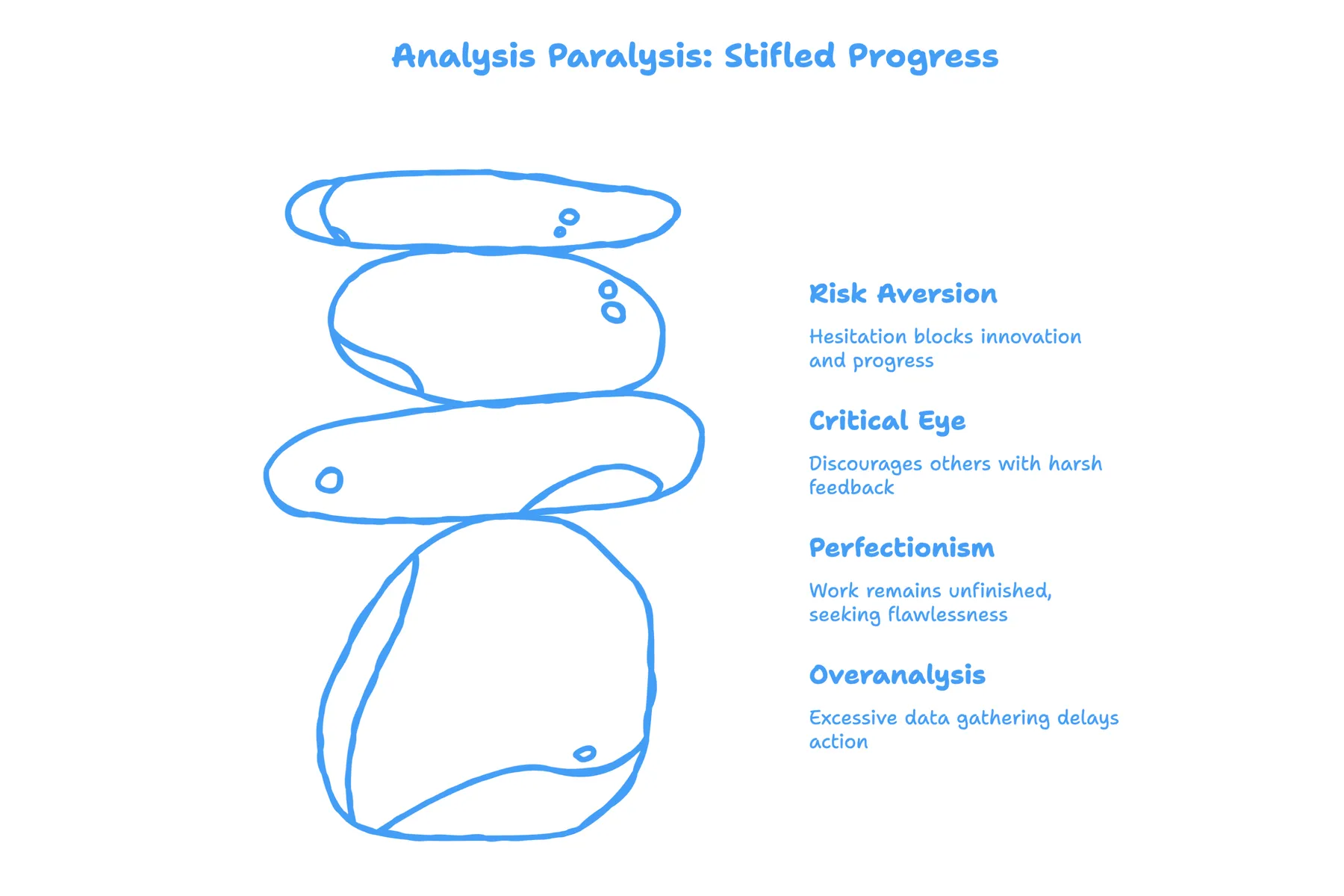
Balancing thoroughness with flexibility allows “C”s to maintain their high standards without slowing progress.
Leading and Working With “C”
For leaders who are high in “C”:
- Use your eye for detail to improve systems and processes.
- Recognize when precision is helpful and when it is slowing progress.
- Pair your thoroughness with teammates who bring speed and big-picture thinking.
For those working with a “C”:
- Provide data, facts, and clear instructions.
- Respect their need for accuracy and preparation.
- Be patient with their questions, since they are ensuring quality.
Conscientiousness is the style that ensures accuracy, structure, and quality. High “C” individuals make sure teams follow through on commitments with excellence and precision. They prevent mistakes, uphold standards, and bring a level of care that strengthens results. At the same time, their focus on rules and details can create bottlenecks if not balanced with adaptability and urgency.
When “C”s combine their analytical strengths with the speed of “D,” the energy of “I,” and the loyalty of “S,” their precision turns into a true asset for the whole team. They are the ones who transform good ideas into reliable processes and consistent outcomes.
Here’s the Point 🔵 The power of “C” is in its precision and process, and its impact is greatest when paired with flexibility that keeps progress moving forward.